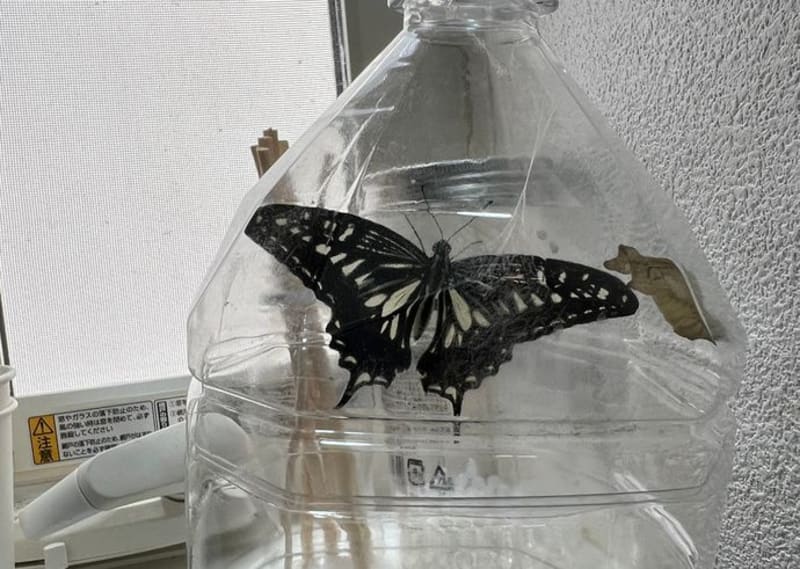
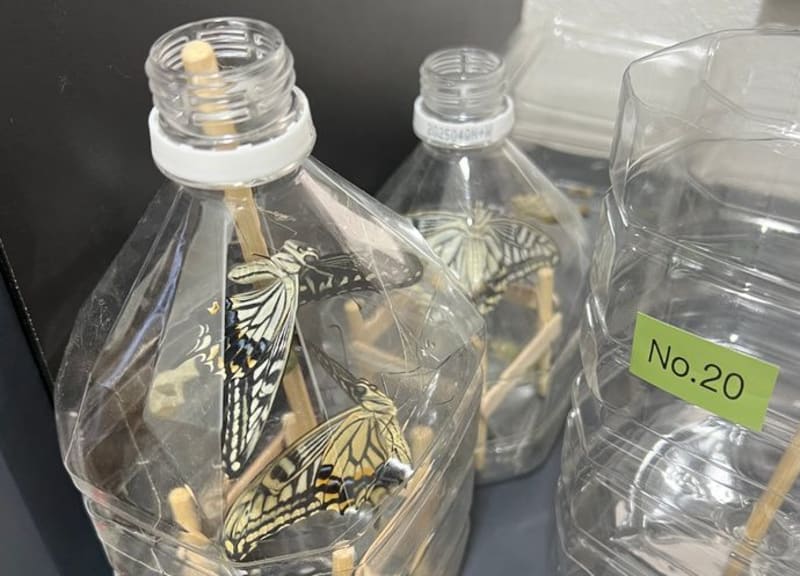
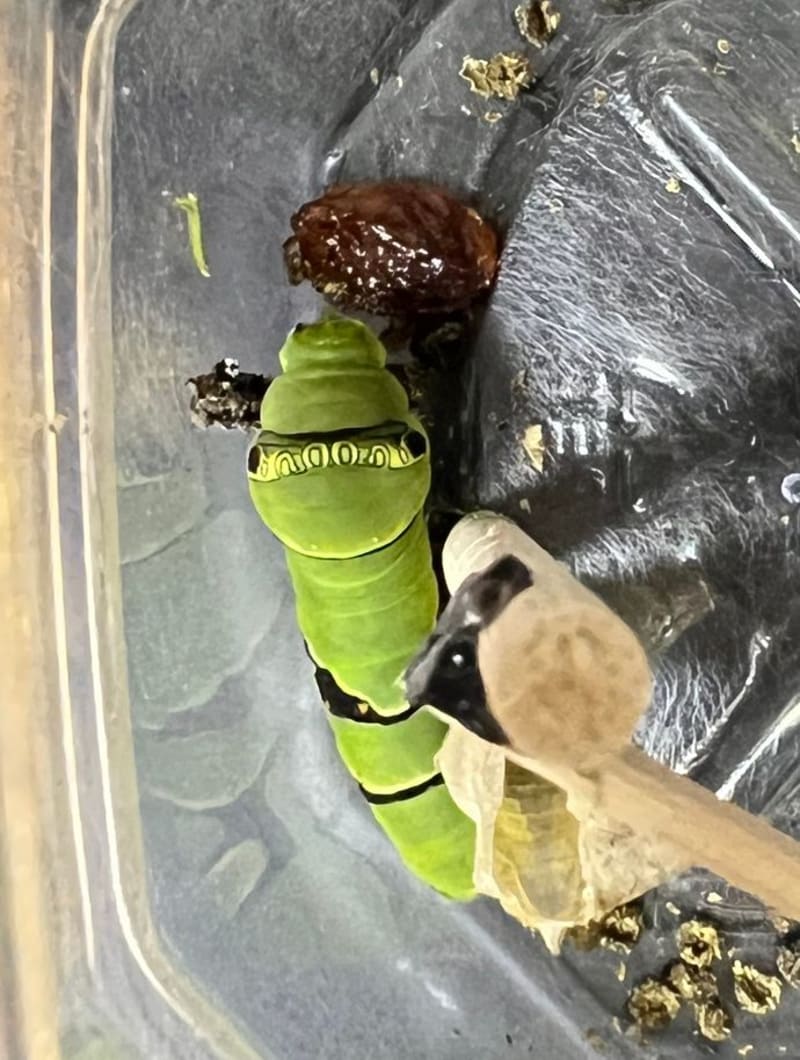
Ageha Caterpillar
The ageha caterpillar is the weakest among the caterpillars on the tree, much weaker than other caterpillar species.
Encounter with an Ant
When the caterpillar encounters an ant, the ant stings it, and after a brief struggle, the caterpillar dies immediately.
Encounter with a Spider
When the caterpillar encounters a spider, the spider stings it, and after a little struggle, the caterpillar is captured and wrapped up as prey.
Encounter with a Bird
When the caterpillar encounters a bird, it's game over. Before even understanding what's happening, the caterpillar gets snatched by the bird, taking away another piece of the tree's leaves. Green caterpillars at level 5 are known for climbing to the top and greeting the morning, so birds are quite delighted by caterpillars.
Encounter with a Mantis
When the caterpillar encounters a mantis, it falls off. Lately, there have been many small mantises near the lime tree. I released several small caterpillars, but I didn't know where they went. Then one day, I observed a mantis jumping over, causing the caterpillar to fall off the leaf.
Encounter with a Fly
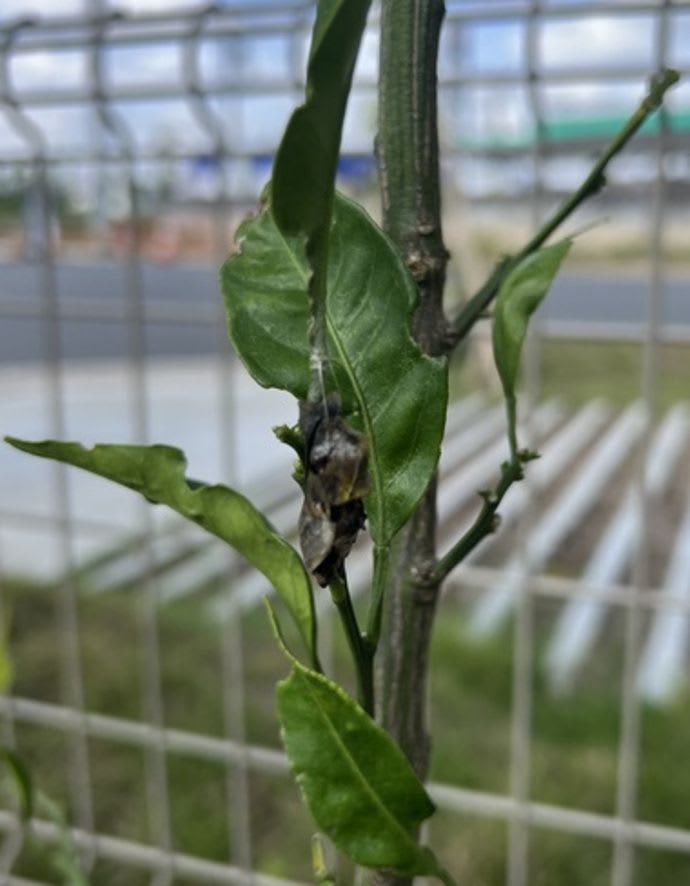
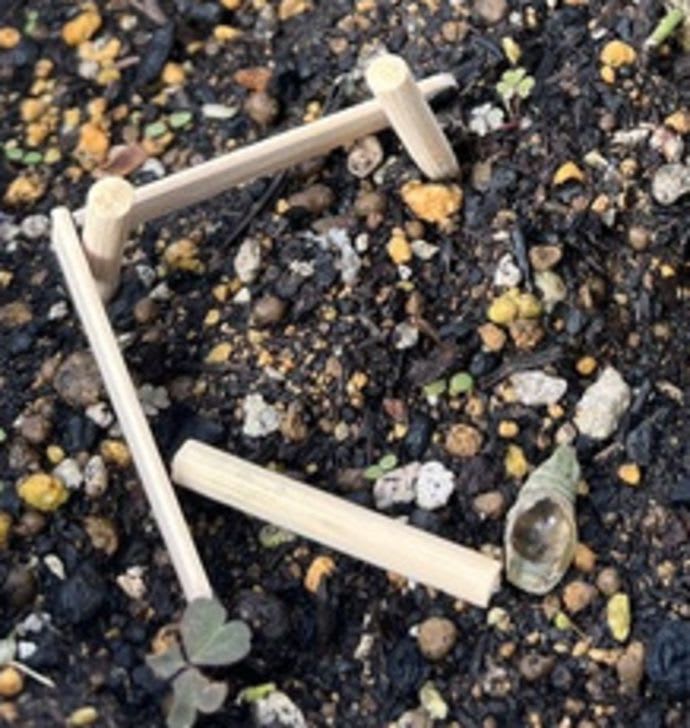
When the caterpillar encounters a fly, as long as the caterpillar moves, it's fine. The fly simply lands and then flies away. However, when the caterpillar becomes a chrysalis, the fly lays its eggs on it. The chrysalis gets invaded by fly larvae, and they devour it entirely. Today, I witnessed a damaged chrysalis on the tree (No.13) (See picture).
Encounter with Caterpillars of the Same Species
When caterpillars encounter others of the same species, if there is an abundance of food, they will eat together. However, if there is a scarcity of food, one caterpillar may bite the other. Level 5 green caterpillars of the same stage may end up with torn backs, bleeding, wriggling, and turning orange. If a caterpillar is large enough and shows no signs of forming a chrysalis, it will return to normal after a couple of days without eating. However, if there are signs of forming a chrysalis, it will fail to molt again. After a few days without eating, it will become emaciated, weaken, and eventually die. A larger caterpillar will bite a smaller one, and if the smaller one can't escape in time, it will lose a segment of its body, experience pain, and eventually die. Even if it manages to escape, it will only have its head left and will eventually perish. A smaller caterpillar biting another smaller one will also result in a severed body segment and death.
Encounter with Humans
When caterpillars encounter humans, they are placed in a box.
Conclusion
It seems that being placed in a box can increase the chances of survival for caterpillars. However, the caterpillars should be slightly larger, and the density should not be too high. Putting too many small caterpillars together will also result in their death.